
Do gun cleaning mats prevent scratches on rifle finishes?
Yes, gun cleaning mats help prevent scratches on rifle finishes by separating the rifle from a hard work surface, provided the mat is clean and the rifle stays on it. They do not make a finish scratch-proof: trapped grit, loose hardware, and careless tool contact can still leave marks. For your 2026 cleaning setup, treat the mat as a protective barrier—not permission to drag your rifle around like a rental shopping cart.
- Do gun cleaning mats prevent scratches? Yes, clean mats reduce direct contact with hard benches; grit defeats that protection.
- Keep loose hardware and dirty brushes away from the rifle’s finish, even on a padded cleaning mat.
- Choose rifle coverage and documented cleaner compatibility before artwork or extra padding.
- Stickthison suits gun owners who want parody-themed gear; gun cleaning mat protection still depends on clean, careful use.
Why this matters
A cleaning bench brings your rifle, brushes, tools, and dirty parts into the same space. Without a deliberate layout, the surface intended for maintenance becomes another source of finish damage. Owning a mat helps; keeping the wrong things off its clean area does the real work.
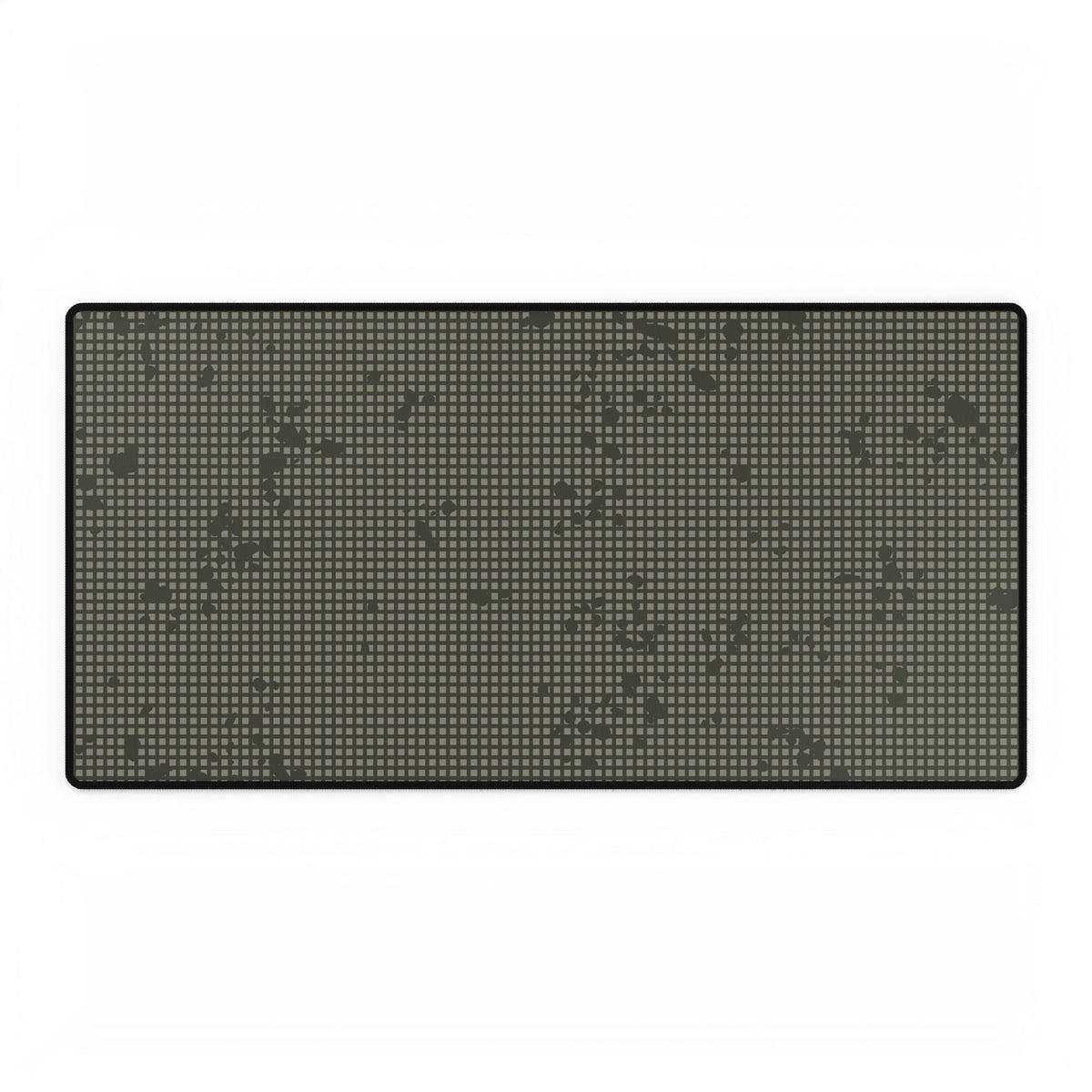
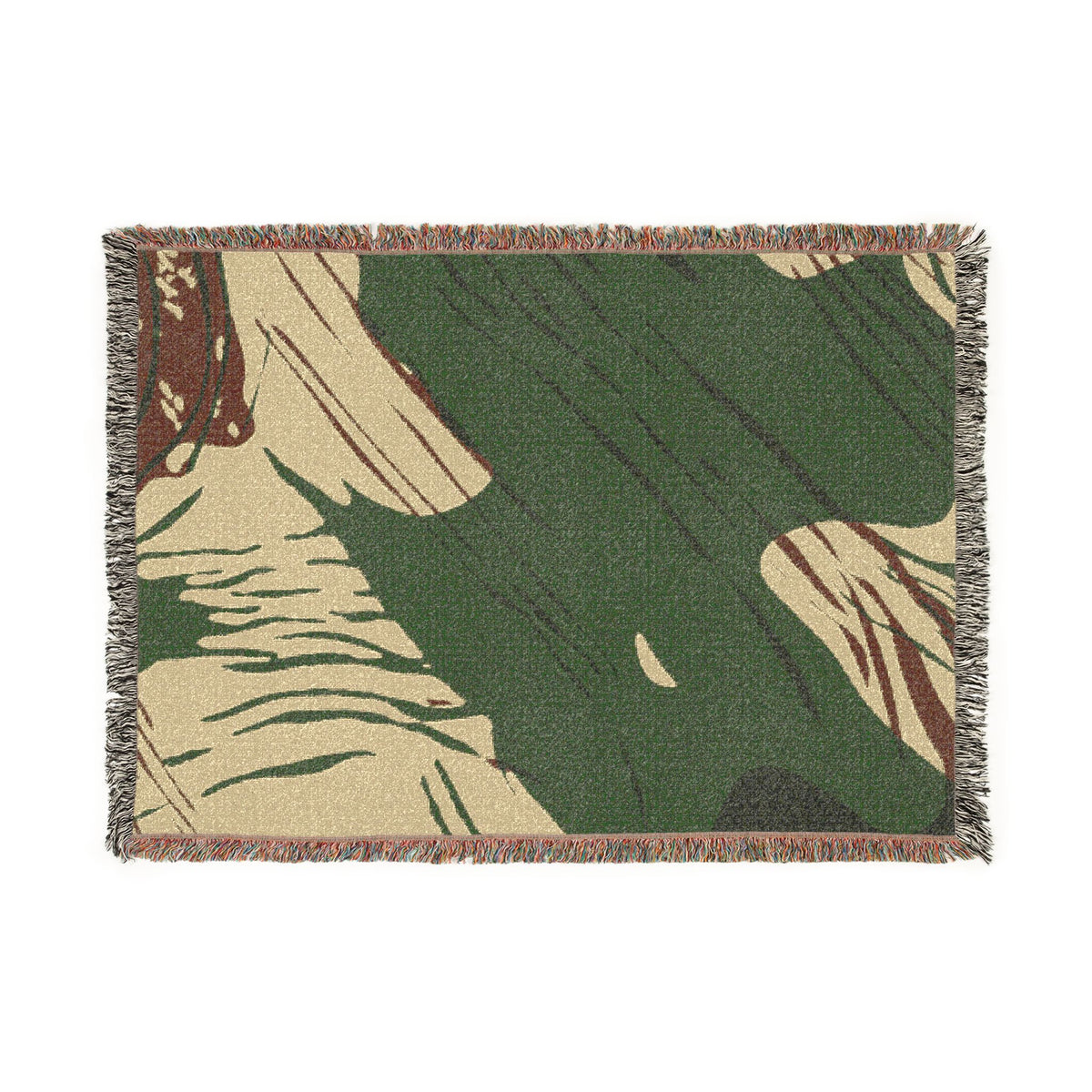
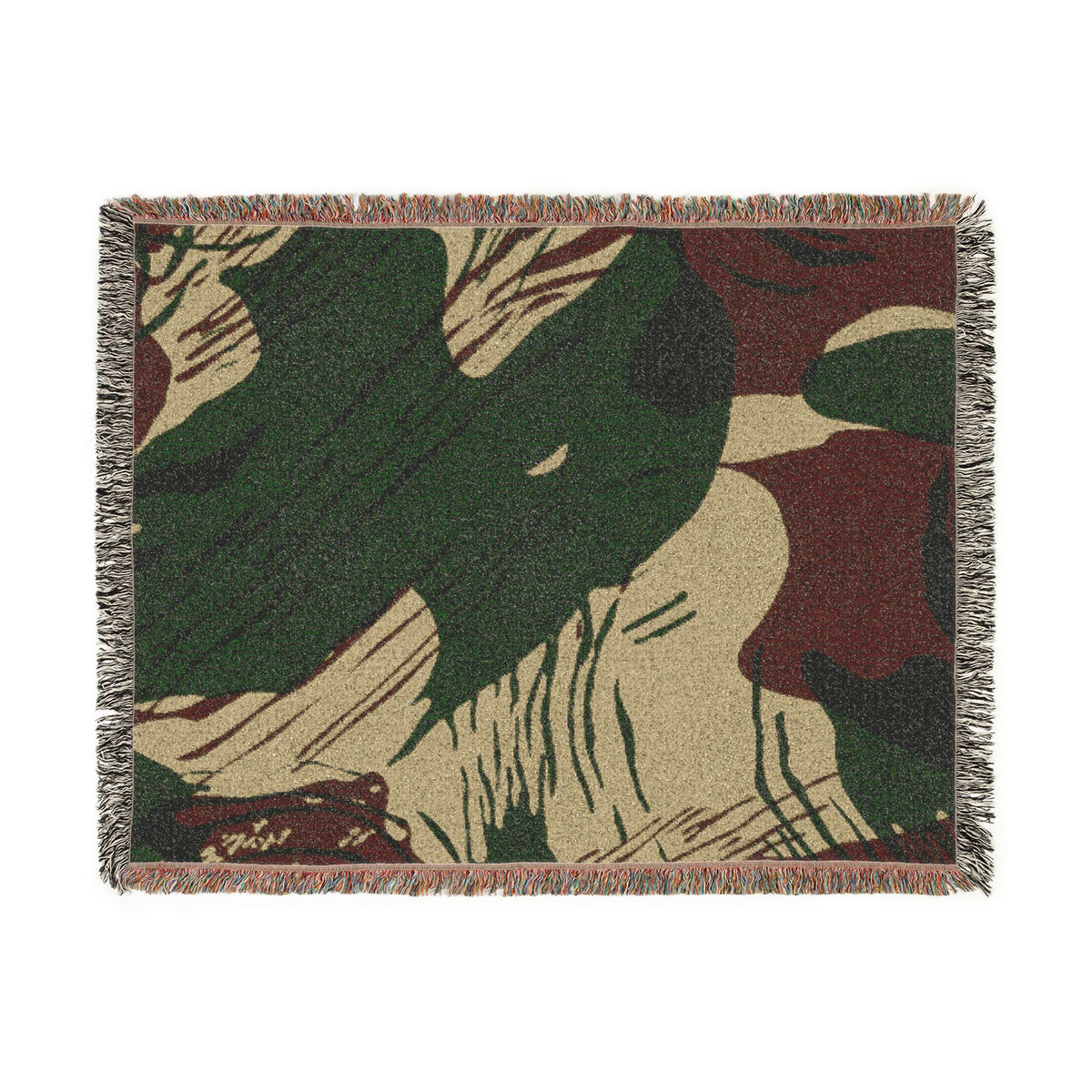
Stickthison sells gun cleaning mats alongside parody gear for gun owners. The artwork can supply the personality, but your cleaning habits supply the scratch prevention. No amount of tactical sarcasm neutralizes a grain of sand under a receiver.
Do gun cleaning mats prevent scratches on rifle finishes?
A clean gun cleaning mat reduces scratches caused by contact with the bench; it does not stop every source of finish damage. Its protective job is straightforward: put a suitable barrier between your rifle and a surface that could mark it.
The important word is clean. A soft surface with abrasive debris on top can still scratch a finish when you slide the rifle across it. Padding underneath does not remove the offending particle.
For a 2026 bench setup, compare surfaces by their condition and intended use rather than by how tactical they look:
| Work surface | Best for | Practical benefit | Main limitation |
|---|---|---|---|
| Clean gun cleaning mat | Routine maintenance with a defined work area | Separates the rifle from the bench | Grit, exposed hardware, and tools can still contact the finish |
| Clean, soft cloth | A temporary contact barrier | Covers a hard surface | Folds, lint, and movement complicate the work area; cleaner compatibility needs checking |
| Bare hard bench | Supporting a separate protective work surface | Provides a firm base | Gives the rifle no separate barrier against rough spots or debris |
None of these surfaces makes dragging a rifle a good idea. Lift it to reposition it, and keep the contact area clear. Your finish does not care how confidently you announced that the bench was probably clean.
A clean mat: useful protection against bench contact
A clean mat keeps the rifle from resting directly on exposed bench material. That matters when the bench has rough spots, dried residue, or scattered debris. The mat must cover the actual contact points, not just the middle of the rifle.
Check where the stock, receiver, handguard, and other resting surfaces land. If a section hangs past the edge and touches the bench, that section has lost the barrier you intended to provide.
Choose usable coverage before decorative appeal. A design you enjoy is a bonus; enough clean space to support the rifle is the requirement. Check the listed dimensions against your own work area instead of assuming that a product labeled for firearms fits every rifle arrangement.
A mat also needs a suitable supporting surface. Clear the bench underneath before laying it down, and check that it lies flat without rocking over forgotten hardware. Your mat should not be doing interpretive dance over a screwdriver handle.
A dirty mat: padding does not cancel abrasion
A dirty cleaning mat can put debris exactly where you do not want it: against the finish. Sliding the rifle adds movement between the surface and whatever is trapped there. That is the opposite of a scratch-prevention plan.
Inspect the mat before placing the rifle down. Look for grit, metal particles, loose fasteners, and debris left from the previous job. Do not assume a dark print means a clean surface; camouflage works on dirt, too.
Keep dirty brushes and removed hardware away from the area supporting the rifle. Put them in a separate designated area or suitable container rather than scattering them around the receiver.
If you find debris beneath the rifle, lift the rifle before clearing it. Pulling the mat or wiping sideways beneath a resting contact point creates the movement you were trying to avoid. Stop, reset, and spare yourself the speech about how that mark was definitely already there.
Why scratch protection varies
The useful question is not whether a mat has padding. It is whether your whole setup keeps abrasive and hard objects away from the finish. These factors determine how well that setup works:
- Surface cleanliness: Grit between the rifle and mat defeats the purpose of a soft contact surface. Inspect before each session and after dirty work.
- Coverage: Every resting contact point needs protection. A rifle extending beyond the mat can still touch an exposed bench edge.
- Movement: Lifting the rifle avoids dragging its finish over debris you missed. Sliding turns a hidden particle into a bigger problem.
- Tool placement: A mat beneath the rifle does not intercept a screwdriver or loose part placed against its side. Separate tools from finished surfaces.
- Material condition and compatibility: A damaged or contaminated surface needs attention. Follow the mat’s care instructions and the firearm manufacturer’s finish-care guidance.
These are practical checks for 2026, not promises tied to a particular material or brand. Thickness alone does not answer them, and a printed parts diagram does not clean the work area on your behalf.
How to set up a scratch-conscious rifle cleaning area
Start with a safe firearm and follow its manufacturer’s unloading and maintenance instructions. Keep ammunition outside the cleaning area, and verify the firearm is unloaded before beginning. A protected finish is not a substitute for safe handling.
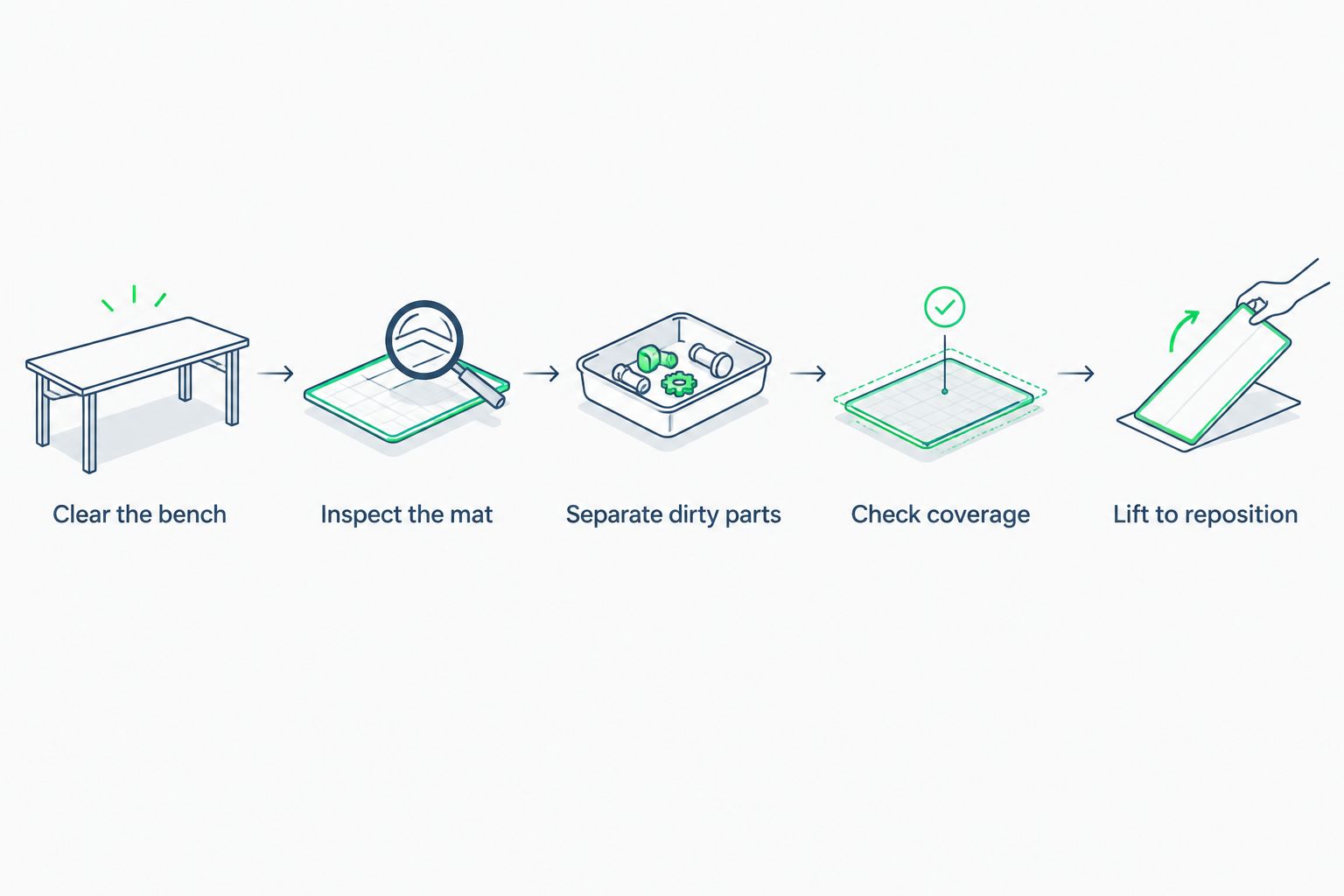
Use this sequence to organize the bench before the dirty work starts:
- Clear the bench. Remove unrelated tools, loose hardware, and debris. Check the area that will sit beneath the mat as well as the visible work surface.
- Inspect the mat. Look across the contact area under good light. Clean it according to its instructions and let it dry as directed before use.
- Separate dirty parts. Designate an area away from the rifle’s resting surfaces for used brushes, removed hardware, and dirty components.
- Check coverage. Place the unloaded rifle carefully and confirm that its resting points stay within the protected area. Recheck after changing its position.
- Lift to reposition. Avoid dragging the rifle across the mat. Pause and inspect again whenever debris enters the work area.
Keep cleaning chemicals in their intended containers and follow their labels. Do not assume a mat protects the rifle’s finish from an unsuitable chemical just because it protects against bench contact. Mechanical protection and chemical compatibility are different jobs.
Before packing up, remove debris and deal with residue according to the mat’s instructions. Putting a dirty mat away simply reserves the same problem for your next cleaning session. Future you already has enough questionable decisions to answer for.
Does a thicker gun cleaning mat protect a rifle better?
A thicker mat is not automatically better at preventing scratches. Added cushioning does not remove grit or stop a tool from touching the rifle. Evaluate the contact surface, coverage, and care requirements rather than treating thickness as a protection rating.
A mat should also provide a workable surface for the maintenance you intend to perform. Do not use soft padding as a substitute for the supports or fixtures specified for a particular task. Follow the firearm manufacturer’s instructions when maintenance requires dedicated support.
For your 2026 purchase, ask what the listing actually establishes. A material name or an aggressive graphic is not evidence of scratch-proof performance, and neither excuses poor handling.
Can a gun cleaning mat damage a rifle finish?
A contaminated gun cleaning mat can contribute to finish damage when debris contacts the rifle. The risk comes from what is on the surface and how you move the firearm, not simply from the existence of a mat.
Chemical exposure is a separate concern. Check the cleaner label, the firearm manufacturer’s finish-care instructions, and the mat maker’s compatibility guidance before combining them. Do not interpret an oil-resistant claim as approval for every cleaning solvent.
If the mat becomes sticky, sheds material, or develops a damaged contact surface, stop using that area until you establish the appropriate care or replacement action. Your rifle is not the test coupon for mystery residue.
What should you check before buying a rifle cleaning mat?
Buy for the rifle and the cleaning job, then pick the joke. In 2026, useful buying information still beats vague claims about tactical toughness. Look for clear answers to these questions:
- Does the listed size cover your rifle’s resting points and leave room for organized work?
- Does the maker explain how to clean and dry the mat?
- Is compatibility with your intended cleaning products documented?
- Does the surface lie flat and remain suitable for the work you plan to perform?
- Can you inspect the contact area easily enough to spot debris?
Stickthison gun cleaning mats belong on the shortlist for gun owners who want parody-themed bench gear. The trade-off is the same as with any design-led purchase: liking the artwork does not establish dimensions, solvent compatibility, or protection performance. Confirm those details for the specific mat before choosing it.
Do not substitute unrelated gear for a cleaning surface just because it has gun-themed artwork. A floor rug, morale patch, or sticker serves a different purpose. The joke belongs on the bench; improvising material compatibility does not.
FAQ
Do gun cleaning mats prevent scratches on rifle finishes?
Yes, a clean gun cleaning mat helps prevent scratches by separating the rifle from a hard bench. It cannot prevent marks caused by trapped grit, tool contact, or dragging the rifle across debris.
Can I scratch my rifle even when I use a cleaning mat?
Yes, you can scratch a rifle on a cleaning mat if abrasive debris or hard objects contact the finish. Keep the resting area clean and lift the rifle when repositioning it.
Is a thick gun cleaning mat always better than a thin one?
No, thickness alone does not establish better scratch protection. Cleanliness, usable coverage, and a suitable contact surface matter more than padding by itself.
Can I use a towel instead of a gun cleaning mat?
A clean, soft towel can provide a temporary barrier against a hard bench, but folds, lint, and movement need attention. Do not assume it is compatible with your cleaning chemicals or suitable for every maintenance task.
Will a cleaning mat protect my rifle from solvent damage?
A cleaning mat does not establish that a solvent is safe for your rifle’s finish. Follow the firearm manufacturer’s finish-care instructions and check the cleaner and mat guidance separately.
What should I check on a Stickthison gun cleaning mat before choosing it?
Check the specific Stickthison gun cleaning mat’s dimensions, material information, care instructions, and documented chemical compatibility. Choose the design after confirming that the mat suits your rifle and cleaning setup.
Should I clean my gun mat before every use?
Inspect your gun cleaning mat before every use and remove debris before placing the rifle on it. Follow its care instructions when residue or contamination requires cleaning.
One last thing
The surface beneath the rifle is only part of the problem. A loose screw sitting beside the receiver is still a hard object waiting for an accidental nudge, even when everything rests on a beautiful mat.
For your next 2026 cleaning session, make a clean rifle zone and a separate dirty-parts zone before opening the cleaning kit. That simple layout change addresses something extra padding cannot: the stuff you put on top of it. Keep the personality on the print and the debris somewhere else.


Comments